 Search Search  Calendar Calendar  Gallery Gallery |  Auctions Auctions  Global Global  Top Top |  Members Members  Stats Stats |
 | Admin |
 Chat (0) new User-Map Chat (0) new User-Map |  send Password send Password  Register Register |
|---|
| Forum Overview |
Pages: (1) [1] » |
  |
| Digital Cutting Tables |
| igoldencnc |   
| |
|---|---|---|
| Group: Administrator Level:  Posts: 48 Joined: 4/18/2023 IP-Address: saved  | Digital cutting tables have transformed how manufacturers and designers process fabric, leather, composites, gaskets, packaging materials, and countless flexible substrates. At iGoldenLaser, we understand that traditional cutting methods—manual shears, rotary cutters, or die cutting—create bottlenecks, waste material, and limit design freedom. Digital cutting technology eliminates these constraints, delivering precision automation that works directly from digital files without tooling costs, enabling complex geometries impossible with conventional methods while dramatically improving productivity and material utilization. 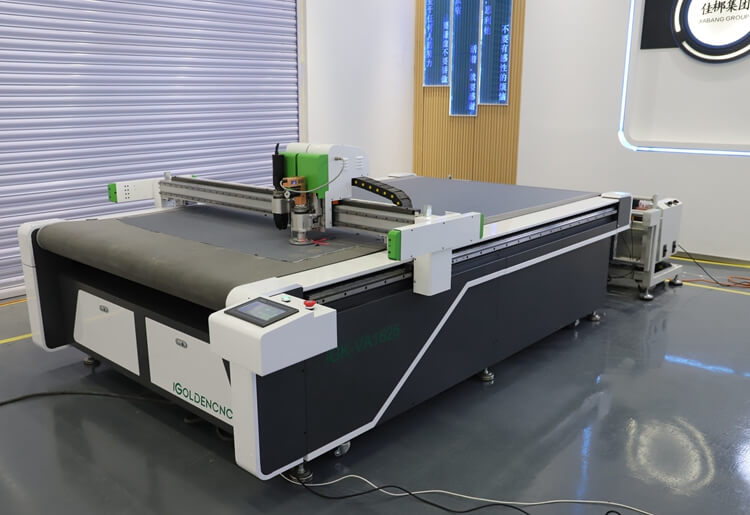 Digital Cutting Tables A Digital Cutting Table (DCT) is an advanced, high-speed cutting machine designed to process a wide variety of materials with exceptional precision and efficiency. These machines can cut foam, rubber, plastic, paper, fabrics, cardboard, reboard, carbon fibre fabric, and more, making them a versatile solution for industries such as packaging, signage, textiles, and composites. 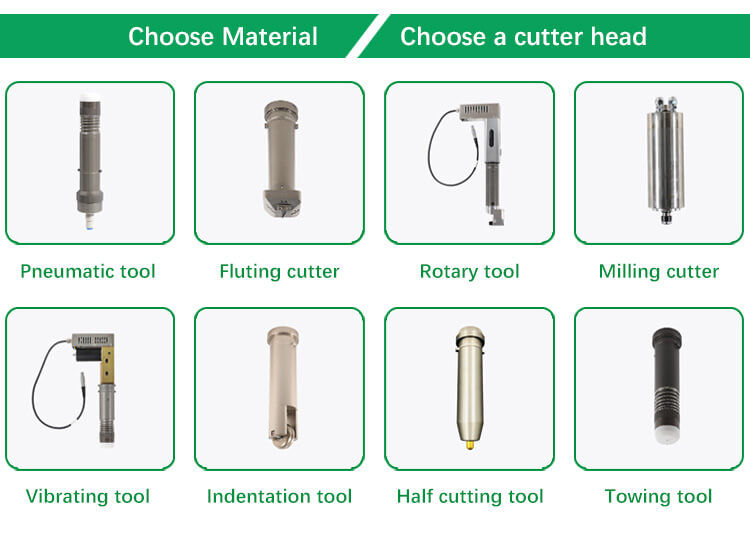 DCT High-Speed Digital Cutting Machines are engineered for pinpoint accuracy and rapid operation, reaching speeds of up to 1,200 mm/s with a precision of 0.01 mm. This ensures clean, detailed cuts while reducing material waste and improving productivity. How Does a Digital Cutting Table Work? These cutting machines operate using a digital control system, which seamlessly integrates with CAD/CAM software. The process includes: Design Creation – The operator designs a cut file using CAD/CAM software. Data Transmission – The digital file is sent to the cutting table’s control system. Precision Cutting – A high-speed servo motor moves the cutting head, which is equipped with a high-precision cutting tool (such as an oscillating knife, creasing wheel, or router). Automated Execution – The machine executes the cut with unrivalled speed and accuracy, ensuring clean, precise edges every time. Key Features of our Digital Cutting Table (DCT) systems 1. High-Speed Precision Cutting Our DCT systems deliver cutting speeds of up to 1,200 mm/s with an accuracy of ±0.01 mm, ensuring clean and precise cuts across a wide range of materials. 2. Versatile Material Compatibility Designed for multi-industry applications, our cutting tables effortlessly handle foam, rubber, plastic, paper, fabrics, cardboard, reboard, carbon fibre fabric, and more, making them ideal for packaging, signage, textiles, composites, and automotive sectors.ensuring flawless results for every project. 3. Customisable Tooling Options Our DCT systems can be configured with a variety of cutting tools, including: Oscillating knife tools for clean and precise cuts Creasing wheels for packaging and cardboard applications Optical recognition systems for enhanced accuracy Multi-angled V-cut tools for intricate designs Plotting pens & router engraving heads for added functionality 4. Automated Workflow & Productivity Boost Equipped with integrated automatic feeding systems (model dependant), our machines streamline workflows, reducing manual labour and optimising production efficiency for high-volume cutting operations. 5. Smart CAD/CAM Integration Seamlessly compatible with leading CAD/CAM software, allowing for quick setup, easy adjustments, and minimal operator input, ensuring maximum productivity with minimal downtime. 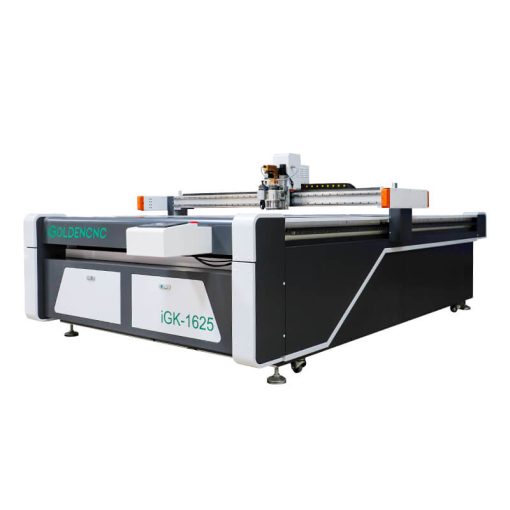 6. Durable & Energy Efficient Build Our cutting tables are constructed with a robust, all-steel frame, providing superior stability and longevity. Additionally, the energy-efficient motor system reduces power consumption while maintaining top-tier performance. System Configuration Options Table Sizes: Digital cutting tables range from compact 1.6m x 1.2m systems for small operations through industrial 3m x 2m or larger platforms for full-width fabric processing. Select capacity matching typical material widths and production volumes. Vacuum Systems: Powerful vacuum holds materials flat during cutting, essential for flexible substrates. Industrial systems feature zone control enabling efficient holding of varied part sizes. Automatic Tool Changers: Multi-tool capability enables varied operations—cutting, creasing, marking—without manual intervention. Automatic changers maximize productivity in mixed-operation environments. Camera Registration: Vision systems recognize printed registration marks, enabling precise cutting around pre-printed graphics. This capability is essential for packaging, labels, and printed textile applications. 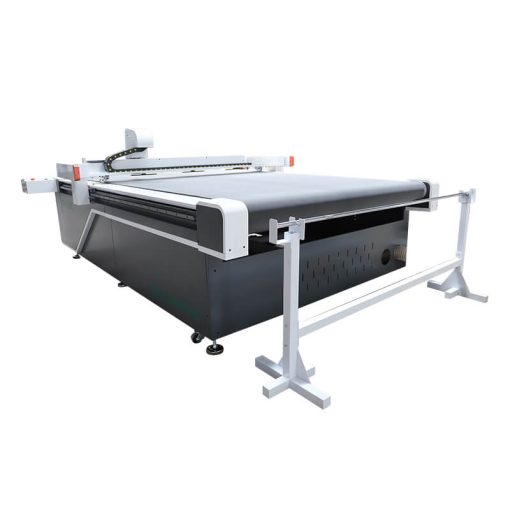 Material Handling Automation: Conveyor systems, automatic feeding, and part removal automation multiply productivity for high-volume operations. Integration creates comprehensive production systems. Applications Across Industries Apparel Manufacturing: Pattern cutting for clothing production leverages digital precision and material optimization. From haute couture through mass production, digital cutting accelerates workflows while improving quality. Automotive Interiors: Seat covers, headliners, door panels, and carpeting require precise cutting of expensive materials. Digital systems optimize material usage while ensuring proper fit. Furniture and Upholstery: Complex furniture patterns, cushion components, and decorative elements cut accurately from costly fabrics and leathers. Digital nesting reduces waste dramatically. Aerospace and Composites: Aircraft interior components, composite layups, and technical assemblies demand precision and material traceability. Digital cutting delivers both while maintaining documentation standards. Industrial Fabrication: Gaskets, insulation, filtration materials, and technical components process efficiently. Digital flexibility accommodates varied specifications without tooling investments. Graphics and Signage: Display graphics, event signage, and advertising materials benefit from precise contour cutting and rapid turnaround. Digital workflow accelerates production substantially. Digital Cutting Table Material Versatility Textiles and Fabrics: Apparel manufacturing, upholstery, technical textiles, and composite fabrics cut precisely without fraying. Digital systems handle delicate silks through heavy canvas, stretch fabrics through rigid technical materials. Leather and Synthetic Leather: Automotive interiors, furniture upholstery, fashion accessories, and footwear components benefit from digital precision. Optimal nesting maximizes expensive material utilization while intricate designs execute flawlessly. Composites and Technical Materials: Carbon fiber, fiberglass, aramid fabrics, and hybrid composites cut cleanly for aerospace, automotive, and sporting goods applications. Precision ensures proper fiber orientation and dimensional accuracy. Gaskets and Sealing Materials: Rubber, foam, cork, and composite gaskets for automotive, industrial, and HVAC applications process efficiently. Digital cutting eliminates die costs while enabling rapid prototyping and custom orders. Packaging Materials: Corrugated cardboard, paperboard, and specialty packaging cut, crease, and score in single operations. Display packaging, protective inserts, and custom boxes produce economically in varied configurations. Flexible Printed Materials: Banners, signage substrates, graphics materials, and advertising media cut precisely along design boundaries. Digital systems separate printed graphics from substrates cleanly without damaging delicate prints. Core Advantages Over Traditional Cutting Zero Tooling Costs: Every design cuts directly from digital files without creating dies, templates, or patterns. This advantage makes digital cutting economical for prototypes, custom orders, and short to medium production runs where tooling costs cannot be amortized across sufficient volumes. Design iterations implement instantly without additional investment. Design Freedom: Complex geometries, intricate details, compound curves, and varied shapes execute effortlessly. Traditional cutting methods limit designs to what tooling can achieve practically—digital cutting eliminates these constraints entirely. Material Optimization: Sophisticated nesting software arranges parts optimally across material surfaces, minimizing waste. Automated nesting achieves utilization rates of 85-95%—substantially higher than manual layout methods. For expensive materials, waste reduction alone often justifies digital cutting investment. Precision and Consistency: Digital systems achieve positioning accuracy within ±0.1mm, ensuring parts match specifications exactly. Every piece reproduces identically regardless of operator skill or fatigue—critical for production requiring interchangeable components or precise fit. Production Speed: Automated cutting dramatically accelerates production compared to manual methods. What might require hours of hand-cutting completes in minutes with digital systems. This speed advantage multiplies productivity while reducing labor costs. Reduced Labor Requirements: Single operators supervise digital cutting while performing other tasks—quality inspection, material preparation, or secondary operations. This efficiency reduces per-part labor costs substantially.
| |
| 7/29/2026 9:37:53 AM |    | |
|
| Thread-Info | |
|---|---|
| Access | Moderators |
| Reading: all Writing: all Group: general | none |
| Forum Overview |
.: Script-Time: 0.047 || SQL-Queries: 7 || Active-Users: 5,022 :.
Powered by ASP-FastBoard HE v0.8, hosted by cyberlord.at